

Energy for A Sustainable Society
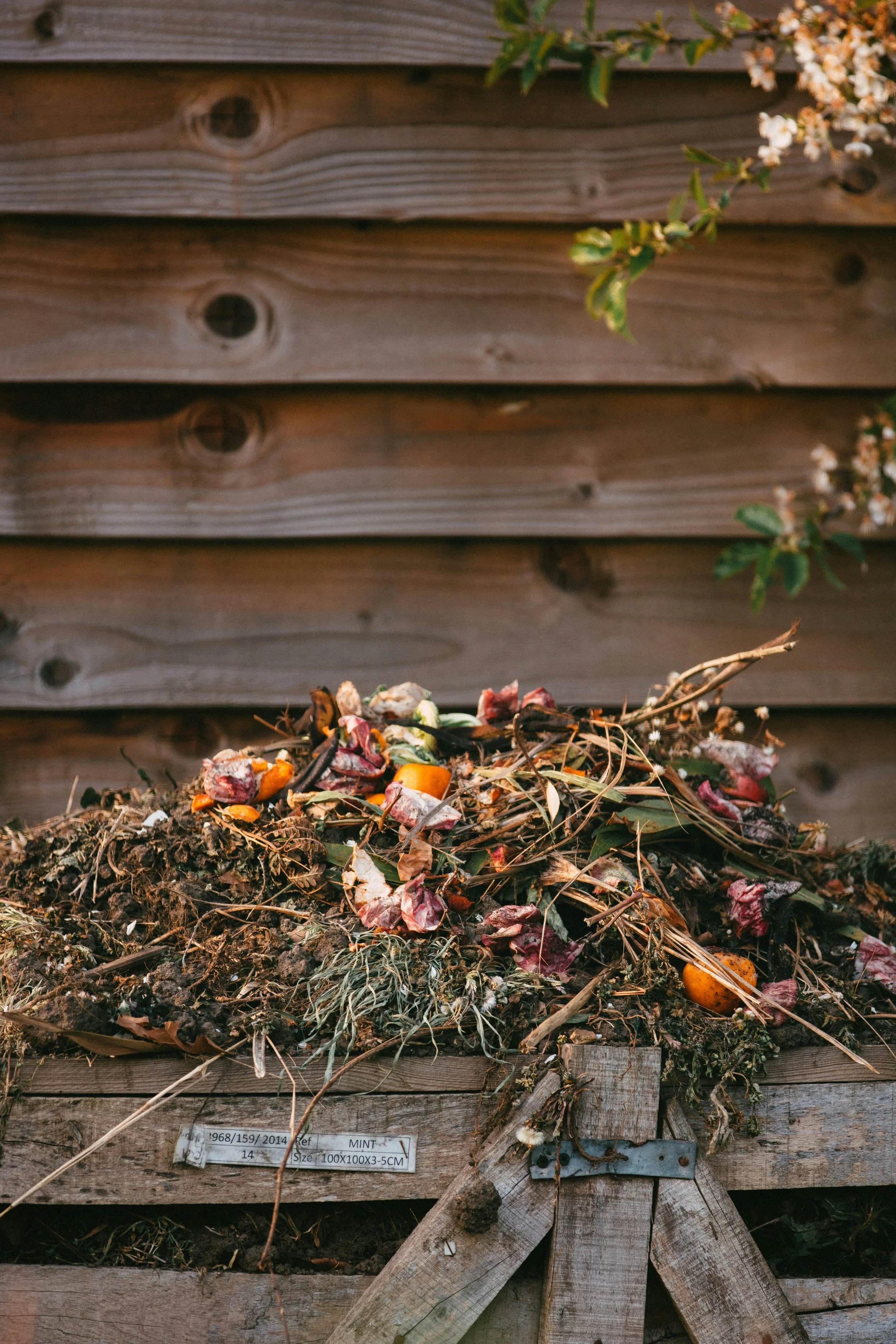
Students will explore different energy sources, how they are utilized and how food and agricultural waste can be repurposed or converted into renewable energy. Through interactive lessons, daily energy-awareness activities and guided field experiences, participants will link global sustainability challenges to personal decisions and community-based action.
Mini-labs expose students to additional renewable energy pathways, such as ethanol fermentation and biodiesel production, offering a comprehensive perspective on bioenergy systems.
Learn more about Majors and Careers in BioResource & Agricultural Engineering (BRAE), here.
Learning Outcomes in this course
Understand basic concepts of energy, sustainability and systems thinking.
Identify renewable energy sources and explain the role of bioenergy in sustainable systems.
Describe the food–energy–waste nexus and strategies for waste reduction and resource recovery.
Design, build and monitor a small-scale anaerobic digester.
Conduct and interpret simple bioenergy experiments (biodiesel and ethanol mini-labs).
When
Session Two
July 19 - July 31, 2026
Tuition
On-Campus Residential
$5,398 USD
Commuter
$2,998 USD
Proposed Activities
Working in teams, students design and build a small-scale biogas bucket system that converts organic waste into usable biogas, while tracking their own daily energy consumption in a reflective Energy Diary.
Visit local organizations transforming food waste into biogas.
Instructor
Dr. Sara Kuwahara, Assistant Instructor at Cal Poly SLO

Dr. Kuwahara is an Assistant Professor in the BioResource and Agricultural Engineering Department. Her research integrates environmental microbiology, bioenergy, and controlled environment systems to advance sustainable agriculture and renewable energy production. She has conducted extensive work on microalgae photobioreactors for biodiesel and on ultrafine bubble oxygenation to improve plant and microbial processes. She served as a Visiting Plant Scientist at NASA Kennedy Space Center, contributing to crop system design for future space missions.
