

US History
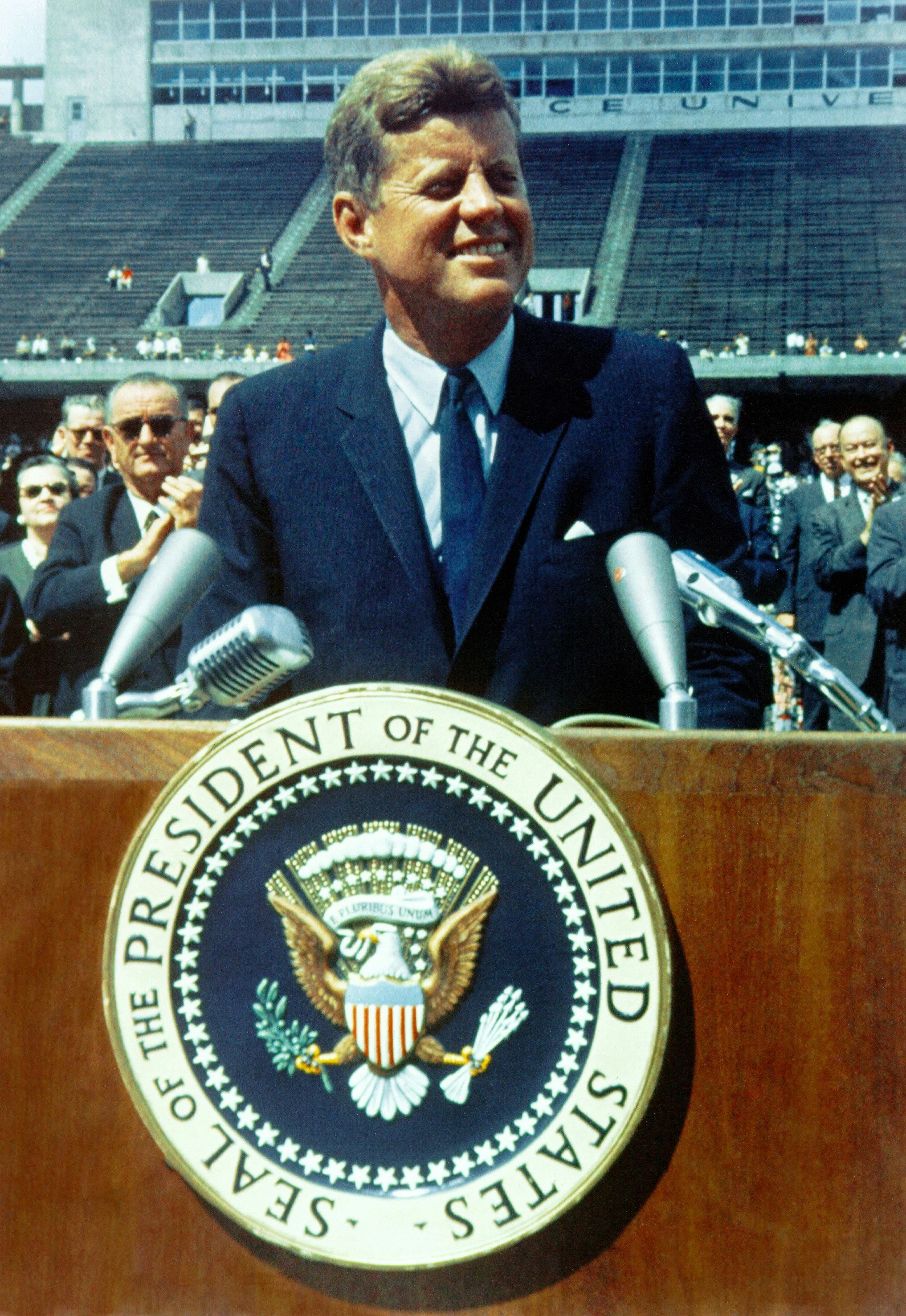
How do we evaluate evidence and determine what we believe and what we deem as truth? Through an in-depth examination of the assassination of President John F. Kennedy and enduring controversy, students will review how it happened, who was involved, and the plausibility of a conspiracy to cover up the truth surrounding the crime. Students will examine an array of written, physical and photographic and video evidence, along with eye-witness accounts. They will consider the impact or memory, perception and other external events on a singular moment in time. The activities will culminate with a judged mock trial conducted by students in a defined role of the one suspect officially named as the lone assassin by the federal government.
Learn more about a Major/Minor and career path in History here.
Learning Outcomes in this course
Examine U.S. political history in the mid-1960s, exploring the social, cultural and legislative forces that shaped the era and continue to influence American politics today.
Develop strong research skills by investigating primary and secondary sources and thoughtfully considering multiple viewpoints on historical events and debates.
Assess the relative validity and credibility of different types of historical information, learning how context, bias and perspective affect interpretation.
Analyze and evaluate complex, and at times contradictory, information and ideas to form well-supported conclusions and arguments.
Participate in an immersive mock trial that applies historical knowledge and critical thinking skills to debate evidence, perspectives and outcomes in a collaborative setting.
When
Session One
July 5 - July 17, 2026
Tuition
On-Campus Residential
$5,398 USD
Commuter
$2,998 USD
Proposed Activities
Visit the History Center and the Spanish Mission to consider the presentation and interpretation of historical information.
Students will consider the implications of information from multiple sources and perspectives as it relates to history and our everyday lives.
Instructor
Dr. Roger Hall, Instructor at Cal Poly SLO
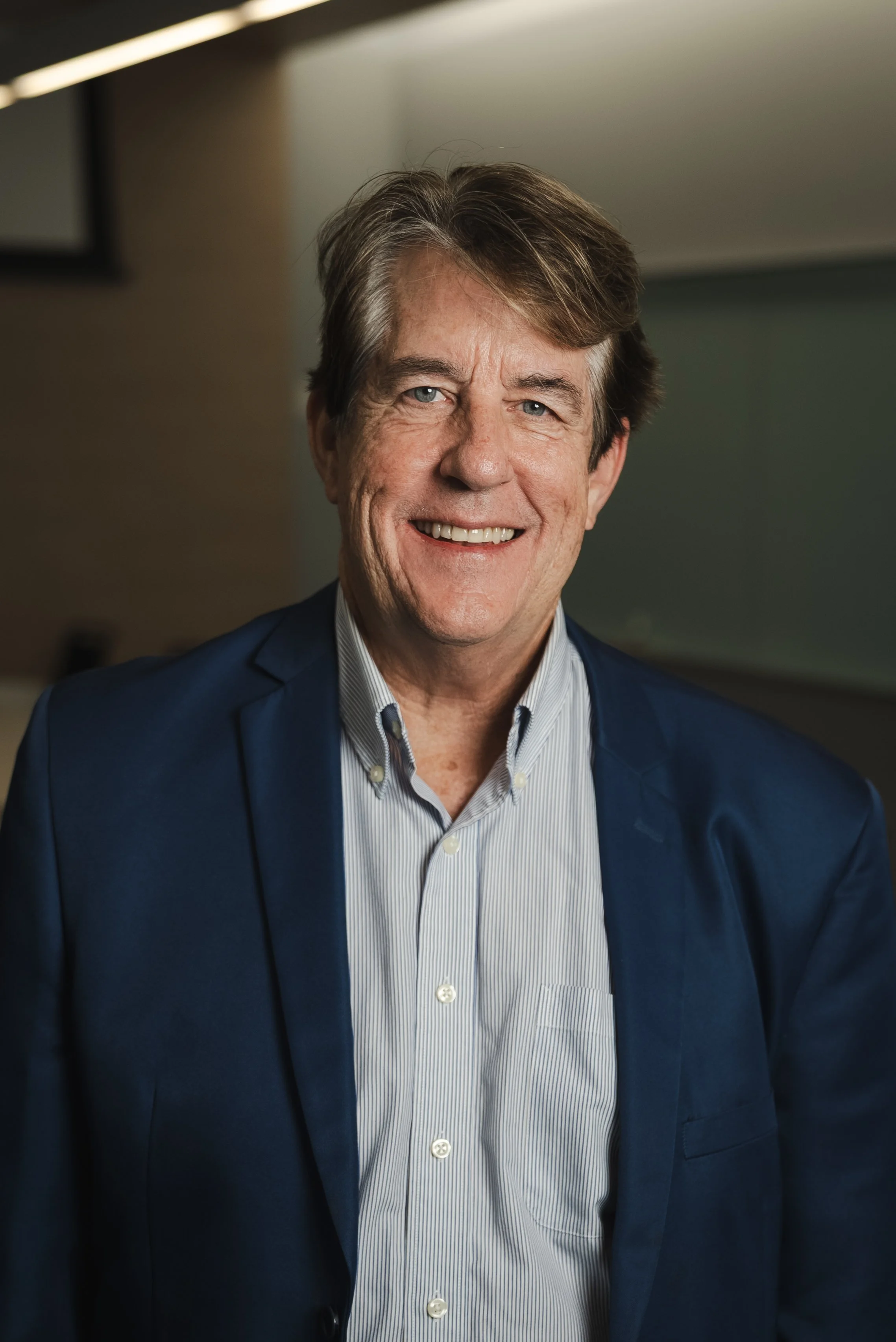
Dr. Roger Hall teaches United States and California history at California Poly and Allan Hancock College, where he is chair of the Social and Behavioral Science Department. He is the author of the textbook, West of the West: Perspective on California State History, currently in its 4th edition. Three times he was accepted into the National Endowment of the Humanities, Landmarks in American Democracy program. He has earned numerous teaching awards, including the EOPS, CARE, CalWORKS Instructor of the Year, and Outstanding Faculty Award, at Hancock College.
