
Robotics
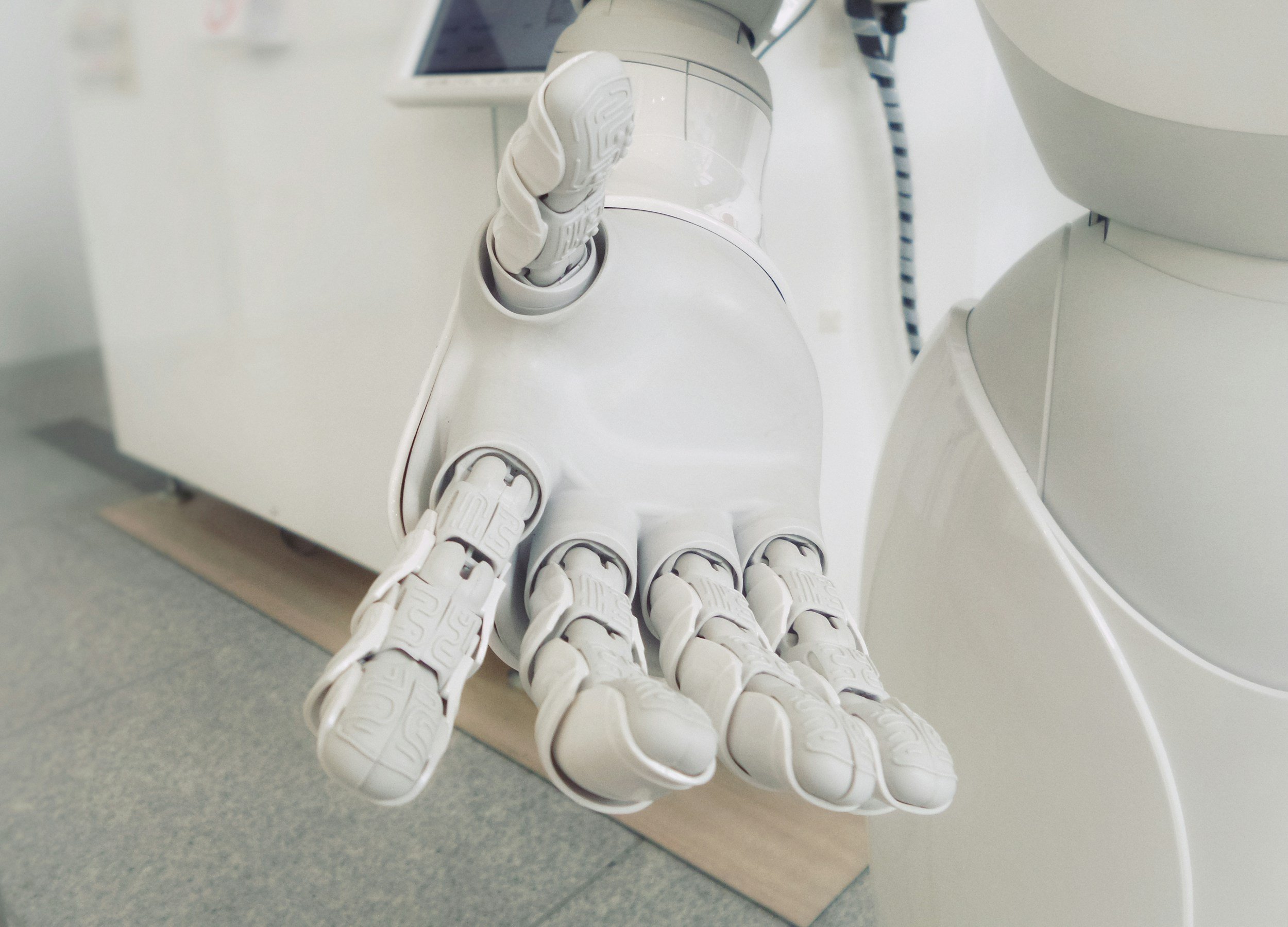
This program introduces students to the mechanics, electronics, and intelligence behind autonomous machines. Students learn to build, wire, and program robots capable of sensing and reacting to their environment. Through daily hands-on challenges, they gain a foundation in motors, sensors, microcontrollers and autonomy.
Learn more about a majors and careers in BioResources & Agricultural Engineering.
Learning Outcomes in this course
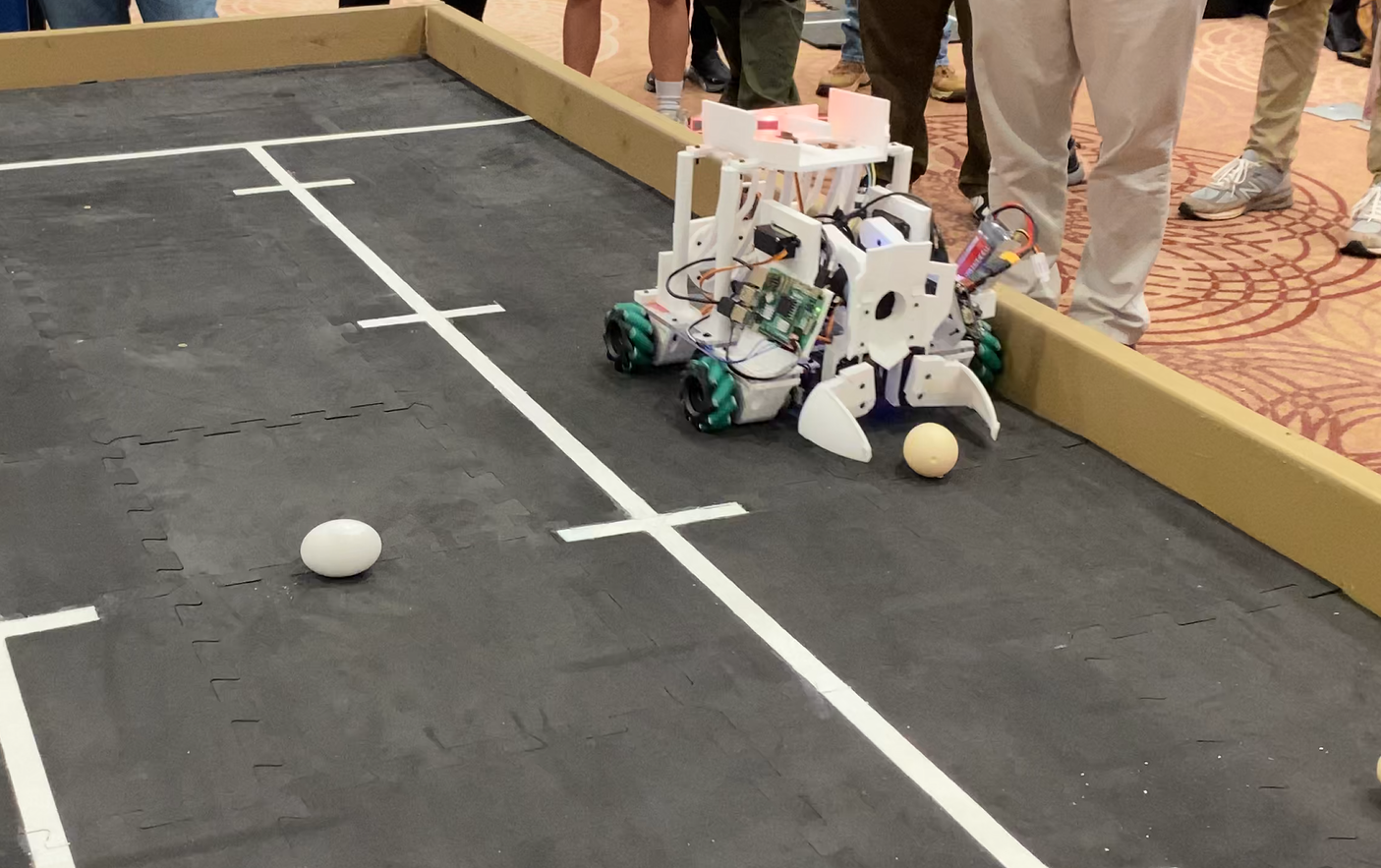
Build a strong foundation in core electronics, microcontrollers, and the essential toolchains used to design, program and test robotic systems.
Learn programming techniques for robots, including digital and analog input/output, pulse-width modulation (PWM) and timing control to manage hardware behavior.
Explore motor control, sensor integration, and the principles of control systems and autonomy that allow robots to perceive and respond to their environments.
Study locomotion and odometry, focusing on system integration and the fundamentals of navigation that enable robots to move accurately and efficiently.
Gain hands-on experience with power systems, mechanical assembly, and systematic debugging techniques to identify, troubleshoot and resolve hardware and software issues.
When
Session Two
July 19 - July 31, 2026
Tuition
On-Campus Residential
$5,398 USD
Commuter
$2,998 USD
Proposed Activities
Visit the agricultural mechatronics lab where they engage in hands-on demonstrations of computer vision and AI technologies in agriculture.
Observe local robots in action at TRIC robotics.
Instructor
Dr. Bo Liu, Instructor at Cal Poly SLO
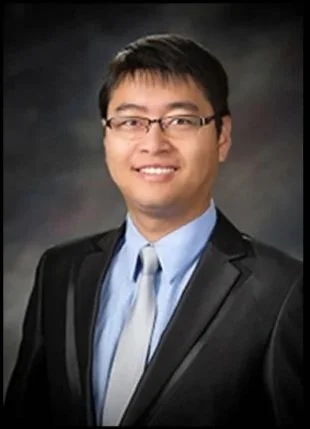
Dr. Bo Liu is a Professor in the BioResource & Agricultural Engineering Department. He specializes in mechatronics, robotics, and automation, applying these technologies to address challenges in agriculture. Dr. Liu teaches courses that prepare students for the future of agricultural innovation, including agricultural robotics and automation.
His research focuses on AI and mechatronics applications in precision agriculture, advancing technologies such as crop disease detection, hyperspectral imaging, and smart farming systems. Dr. Liu’s work has attracted significant funding from many agencies, including the USDA, NSF, and leading industry partners, enabling projects that enhance agricultural sustainability and productivity.
